Intergenerational Trauma and Historical Trauma: How Trauma Can Be Passed To Future Generations and Ways to Break the Cycle
Thrive • May 19, 2022

By Thrive Wellness Reno Clinical Director and Therapist Kerstin Trachok, CPC 

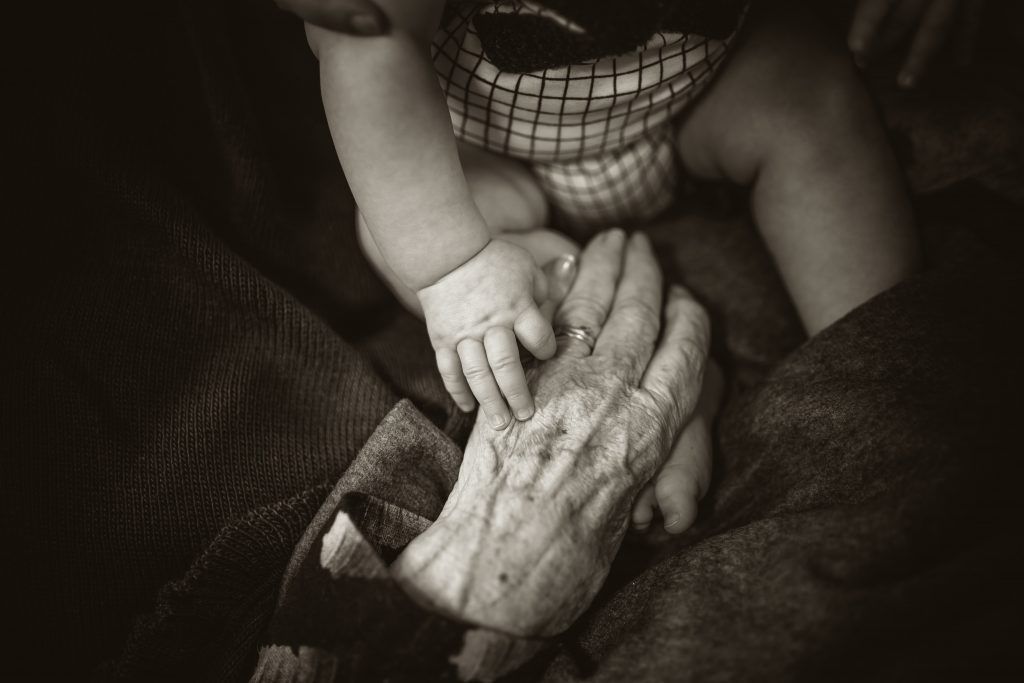
Trauma can have far-reaching consequences on an individual and those closest to them. The concepts of intergenerational trauma and historical trauma are well-accepted theories proposing that the impacts of trauma can even extend across generations. The concepts of intergenerational and historical trauma first emerged in 1966 when researchers found high rates of psychological distress among children of Holocaust survivors. Relatively new theories, scientific study into these trauma phenomena is lacking, but evidence does show biological, social, mental, and emotional trauma reverberations throughout lineages. 

INTERGENERATIONAL TRAUMA

Intergenerational trauma describes the passing of individuals’ traumatic experiences through family generations. For instance, if a person experienced a traumatic event, such as sexual assault or domestic violence, the implications of that trauma can carry over to their children, especially if they were pregnant at the time the trauma occurred. Biologically, their children’s brain structure may be impacted. Socially, the children’s relationships with their family members, community, and society may be affected. Mentally, these children may be more at risk for certain mental health challenges, including ​​ anxiety , depression , and post-traumatic stress disorder (PTSD)

HISTORICAL TRAUMA

Closely related to intergenerational trauma, historical trauma may develop when a community or generation collectively experiences trauma, such as pandemic, war, economic depression, or oppression. 

One example of historical trauma can be found within the Native American population. Native Americans have historically suffered a great deal of trauma, from the destruction of much of their population to forced displacement throughout the ages. Such trauma has impacted their social, mental, and behavioral health, as evidenced by increased rates of poverty, psychological distress, and substance abuse within the demographic.

IMPLICATIONS OF INTERGENERATIONAL TRAUMA AND HISTORICAL TRAUMA

Many don’t realize they are affected by intergenerational or historical trauma. Instead, these individuals are commonly so adjusted to the impact of the condition on their lives that they consider the implications of past trauma normal functioning.

Some implications of intergenerational trauma and historical trauma include:

  • Mental and behavioral health manifestations: Intergenerational trauma and historical trauma may manifest as depression , anxiety , panic attacks , PTSD , substance abuse disorders , and struggles with self-esteem .
  • Genetic changes: Trauma impacts the brain’s immune system cells which are called the microglia. Instead of clearing damage and promoting growth within the brain as they’re meant to, the microglia destroy nerve endings. This can cause depression, anxiety, and dementia which can be passed genetically .
  • Immune system responses: Trauma may lead to an overactive or underactive immune system, conditions that can become hereditary.
  • Behavioral patterns: Trauma can determine one’s behaviors, which can become ingrained, especially through parenting styles. These patterns of behavior can be passed to one’s children, impacting their personalities, worldview, and relationships. 

BREAKING THE CYCLE OF INTERGENERATIONAL TRAUMA AND HISTORICAL TRAUMA 

The cycle of intergenerational trauma and historical trauma can be broken. The most crucial step in adapting to this trauma is becoming aware of its impact on oneself and one’s family. Because families are traditionally adept at adjusting to challenges, attending individual or family therapy can provide insight into whether a family and its members are affected by intergenerational trauma or historical trauma. 

A mental health clinician may dive into individuals’:  

  • Full family history: As a way to understand how the histories of one’s parents, grandparents, and so on have impacted their life. 
  • Experiences with traumatic events: Such as experiences involving illness, injury, loss, or violence. 
  • Socioeconomic status: A history of poverty and/or oppression places individuals at higher risks for intergenerational trauma and/or historical trauma.
  • Triggers: Understanding the triggers that exacerbate any symptoms of anxiety and depression may provide deeper context that points to an experience that extends beyond one’s lifetime and spans back into the past. 

While discovering the implications of intergenerational trauma and historical trauma, individuals can also work with their clinician to develop healthy coping skills that can also be passed along to their children. By seeking mental health treatment for personal or family trauma, individuals can process their experiences and emotions, manage their symptoms and triggers, and normalize open, honest conversations with their loved ones. 

On the societal level, the cycle of historical trauma can be broken through advocacy efforts on behalf of marginalized groups, including encouraging community support resources.  

CLINICAL SUPPORT FOR INTERGENERATIONAL TRAUMA AND HISTORICAL TRAUMA

At Thrive, our compassionate mental health clinicians are skilled at treating trauma in various forms including intergenerational trauma and historical trauma. With the intention of nourishing your mental health so you and your family can thrive, we offer both individual and family therapy and provide many mental, physical, and behavioral health services. Reach out to learn more. 

About the Author

Thrive Wellness Reno Clinical Director and Therapist Kerstin Trachok, CPC

Kerstin received her master’s degrees in clinical mental health counseling and school counseling from the University of Nevada, Reno. Kerstin has six years of experience in the counseling field working in different settings and a wide array of mental health issues. Kerstin has experience working in schools with children of all ages, clients with psychosis in a hospital setting, adults and teens in private practice, and working at an agency providing counseling to children and families. Kerstin is a fully licensed clinical professional counselor in the state of Nevada and received her certification in Complex Trauma Levels I and II. Kerstin has experience working with children, teens, adults and families with trauma, anxiety, grief, depression, ADHD, autism spectrum, suicidal ideation, and behavioral issues. Kerstin is passionate about fostering client’s growth and autonomy while providing a safe and secure space to process emotions. Kerstin uses creative interventions and other tools to allow clients to voice their internal experiences beyond traditional talk therapy. Kerstin’s theoretical approach is Acceptance and Commitment Therapy. She uses mindfulness tools and techniques to help clients be present moment oriented, and reduce stress so they may move towards psychological flexibility. Kerstin believes all individuals have the right to live a fulfilling and vital life.

Download our free wellness guide.

Discover the power of small, sustainable changes with "How to Thrive: 10 Simple Habits for Healthy Living." This guide offers practical, easy-to-follow habits that promote physical, mental, and emotional well-being.

December 2, 2025
Like the fir tree, a symbol of endurance rooted in hope, our Family Inclusive Recovery (FIR) approach reflects the strength that grows when families face challenges together. At our new residential center “The Greenhouse”, FIR is more than a treatment model, it’s a philosophy of healing that places families at the heart of recovery for adolescents and young adults navigating eating disorders, anxiety disorders, and obsessive-compulsive disorder (OCD). We believe lasting healing doesn’t happen in isolation; it’s built with the support of families through perseverance, hope, and compassionate care. What Is Family Inclusive Recovery (FIR)? Family Intensive Recovery (FIR) is a specialized and immersive approach that actively engages caregivers as central agents in their child’s healing process. Rather than seeing families as contributors to a problem, we view them as essential partners in recovery. Drawing from two evidence-based frameworks, Supportive Parenting for Anxious Childhood Emotions (SPACE) and Family-Based Treatment (FBT), FIR helps families cultivate resilience, confidence, and connection throughout the journey to recovery. Grounded in SPACE and FBT Through the SPACE model, parents learn how to recognize and reduce well-intentioned but unhelpful behaviors known as accommodations that can reinforce anxiety and OCD symptoms. By shifting from rescuing to supporting and challenging, parents develop the confidence to guide their child through discomfort, helping them build distress tolerance and self-trust. Simultaneously, Family-Based Treatment (FBT) empowers families to take an active, compassionate role in their child’s nutritional and emotional recovery. Parents learn how to support weight and nutritional restoration, disrupt the eating disorder’s patterns, and reestablish boundaries that promote health and growing autonomy. Together, these approaches strengthen both the individual and family system, allowing recovery to take root within an environment of empathy and optimism. From Blame to Collaboration A cornerstone of the FIR model is removing blame. At Thrive, parents are not viewed as the cause of their child’s struggles, but rather as key partners in recovery. Treatment focuses on joining forces to create a safe, supportive environment where: Families learn to sit with their child's discomfort alongside them without rushing to fix or control it. Parents practice compassionate firmness, setting boundaries grounded in care and safety. Teens and caregivers rebuild trust through open, honest communication. This collaborative framework helps families reestablish a sense of connection and confidence, fostering long-term resilience and open communication that extends beyond the treatment setting. Why Family Matters in Recovery Recovery from eating disorders, OCD, or anxiety isn’t a one-person job, it requires integrated care including the family. When families learn to navigate challenges together, they can model emotional regulation, reinforce healthy boundaries, and create conditions for sustained recovery. Through FIR, we aim to strengthen attachment bonds, reshape family interactions, and empower every member of the family to grow. The result is not only symptom reduction but also a deeper sense of unity, hope, and shared endurance, just like the steadfast fir tree that stands resilient through every season. Moving Toward Hope Family Inclusive Recovery invites caregivers and loved ones to become active participants in change. It’s a journey of learning, letting go, and leaning into love and acceptance. Together, families and clinicians can cultivate the courage in clients to face uncertainty, and in doing so, help them discover that recovery is not just possible, but enduring. If you’d like to learn more about Family Intensive Recovery at The Greenhouse or how we support families in eating disorder and OCD treatment, reach out to our team today.
November 14, 2025
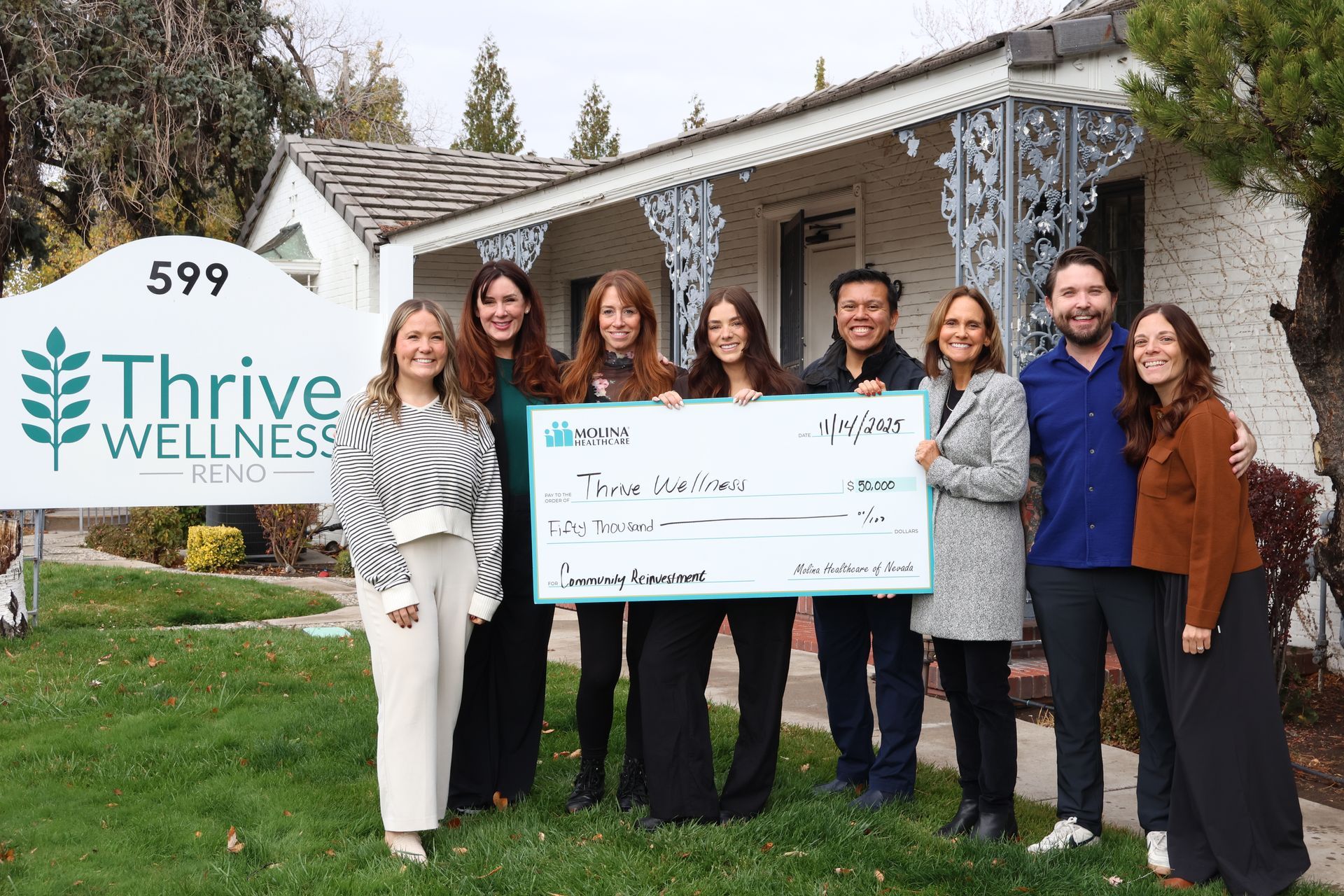
The Greenhouse at Thrive Wellness A New Chapter of Hope and Healing in Nevada On Friday, November 14 , we gathered with our partners at Molina Healthcare to share an important moment for our community. Together, we celebrated Molina’s generous $50,000 grant , an investment that is helping bring The Greenhouse to life. Their support is not only a financial contribution—it’s a statement of belief in the young people and families of Nevada who deserve access to compassionate, evidence-based mental healthcare close to home. This gathering marked the beginning of something we’ve dreamed about for years: a place designed specifically for adolescents and emerging adults to receive the care, connection, and support they need during some of the most vulnerable moments of their lives. Something New Is Growing In early 2026 , Thrive Wellness will open The Greenhouse , Nevada’s first residential treatment center devoted to adolescents and emerging adults navigating eating disorders, anxiety, and OCD . For too long, families have faced a heartbreaking dilemma—send their child far from home for treatment or go without the specialized care they need. The Greenhouse is our answer to that gap. It will be a place where young people can settle into an environment built for healing, where they are understood, supported, and surrounded by a team that believes in their capacity to recover. The Greenhouse represents a natural extension of our mission. It’s a living expression of our belief that recovery is possible—and that with the right support, families can find their footing again. 
November 11, 2025
Are you looking for a meaningful way to give back this holiday season? Thrive Wellness is excited to continue our 6th Annual Giving Tree Program in collaboration with Perenn Bakery this winter. This year, Thrive Wellness Reno and Perenn Bakery are proud to partner with Ronald McDonald House Charities® of Northern Nevada. The organization supports families with children receiving treatment at area hospitals, providing comfort, hope, and a home-away-from-home during challenging times. Ronald McDonald House Charities offers essential services, removes barriers, strengthens families, and promotes healing when children need healthcare the most. How It Works Simply take one (or a few) tags from the Giving Tree, each listing an item you can purchase and donate for residents of the Ronald McDonald House. Then, drop off your item(s) at one of our designated donation locations by Friday, December 19. Items Needed: Restaurant gift cards Walmart or Target gift cards Games, puzzles, and coloring books Toys (Barbie, Hot Wheels, Lego sets, craft sets, magnet blocks, baby dolls, action figures, journals, infant toys, etc.) Children's books (picture, chapter, and graphic novels) Toiletry sets (for adults) Lotion/self-care gift sets (for adults) Sweatshirts/hoodies (adults, XS-XXL) Scarves, gloves, fuzzy socks, pajamas (all sizes) Infant diapers, onesies, and baby bottles Bulk individually wrapped snacks (granola bars, chips, etc.) Please ensure all donations are new, in original packaging, and unwrapped. Donation Drop-Off Locations Please deliver donations by Friday, December 19, to one of the following sites: Thrive Wellness 201 W Liberty St., Suite 201, Reno, NV 89501 Perenn Grocery 7600 Rancharrah Pkwy, Suite 130, Reno, NV 89511 The first 50 people to return their donations will receive a complimentary ornament gift!  Why We Give Back Through our Giving Tree program, we’re honoring one of our core values at Thrive Wellness: staying rooted in community. This annual tradition allows us to give back to those who need support most during the holiday season. We invite you to join us by taking a tag at any Thrive or Perenn location and helping spread kindness throughout our community. There’s no better way to embrace the holiday spirit than by supporting local families with thoughtful, heartfelt donations. We are deeply grateful for your generosity and continued support. Thank you for helping us make a difference!
More Posts

Start your healing journey today

NEXT STEPS

Are you ready to find hope? We can't wait to connect you with the care you need. To get started with us, please reach out using the link below.   

Obsessive Compulsive Disorder

Learn more →

Perinatal

Mental Health

Learn more →

Obsessive Compulsive Disorder

Learn more →

Perinatal

Mental Health

Learn more →